BLAKFOFIZ: The Artist of Necessity and the Architect of ÀṢẸKEMET
Identity and Roots
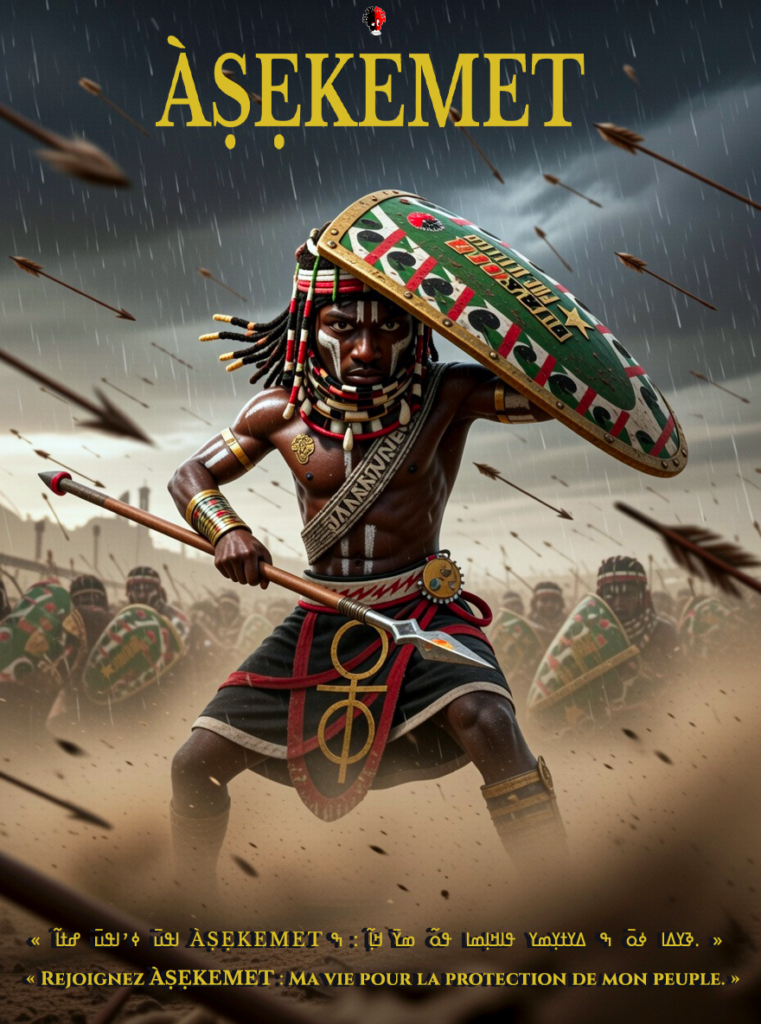
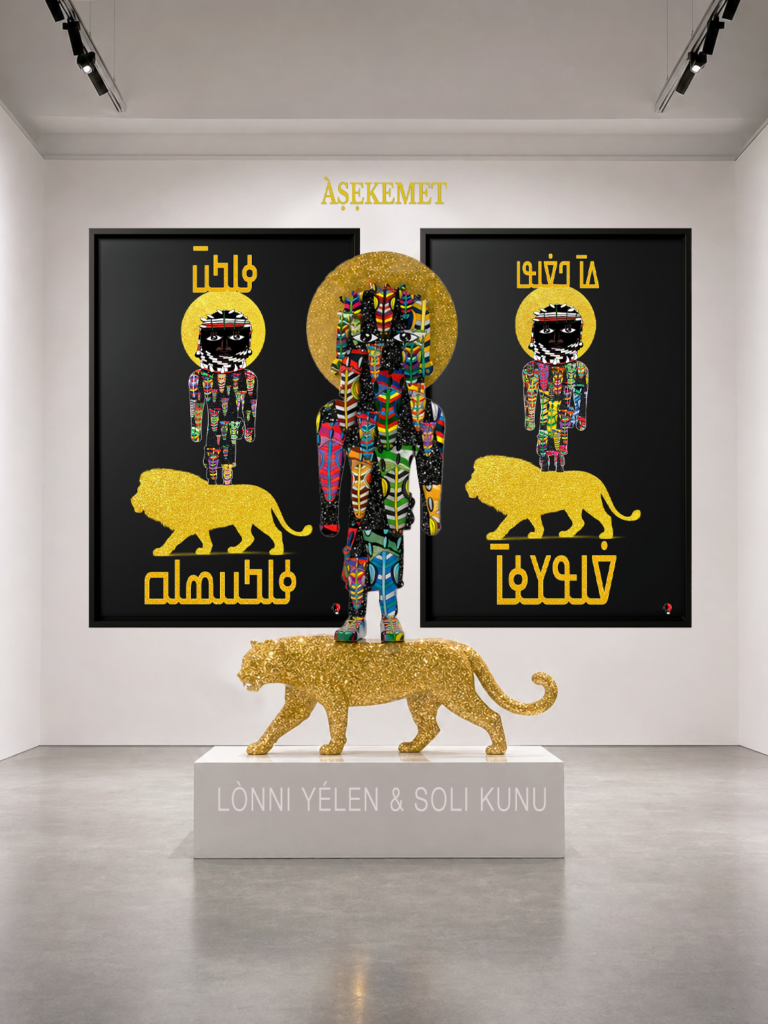
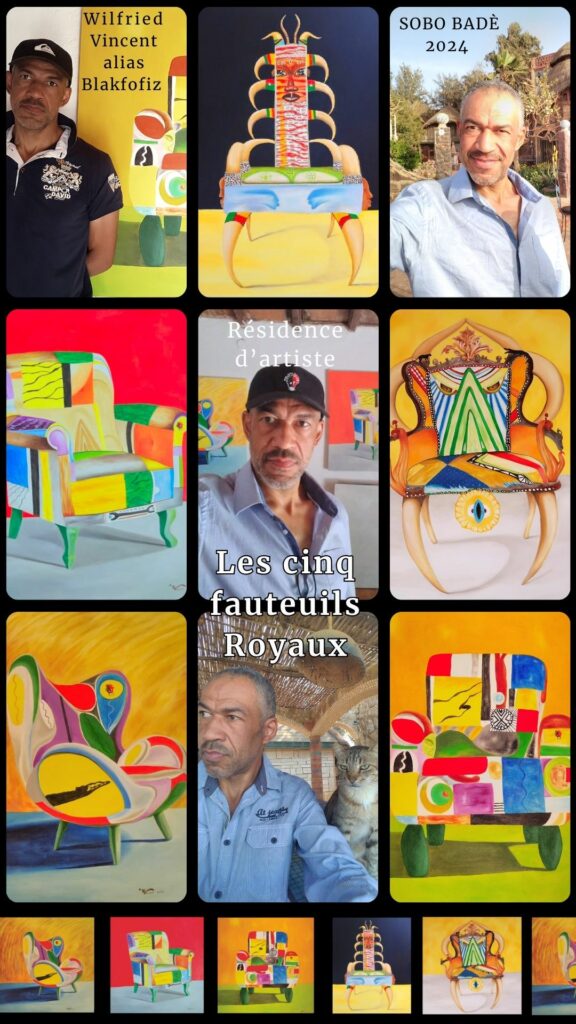
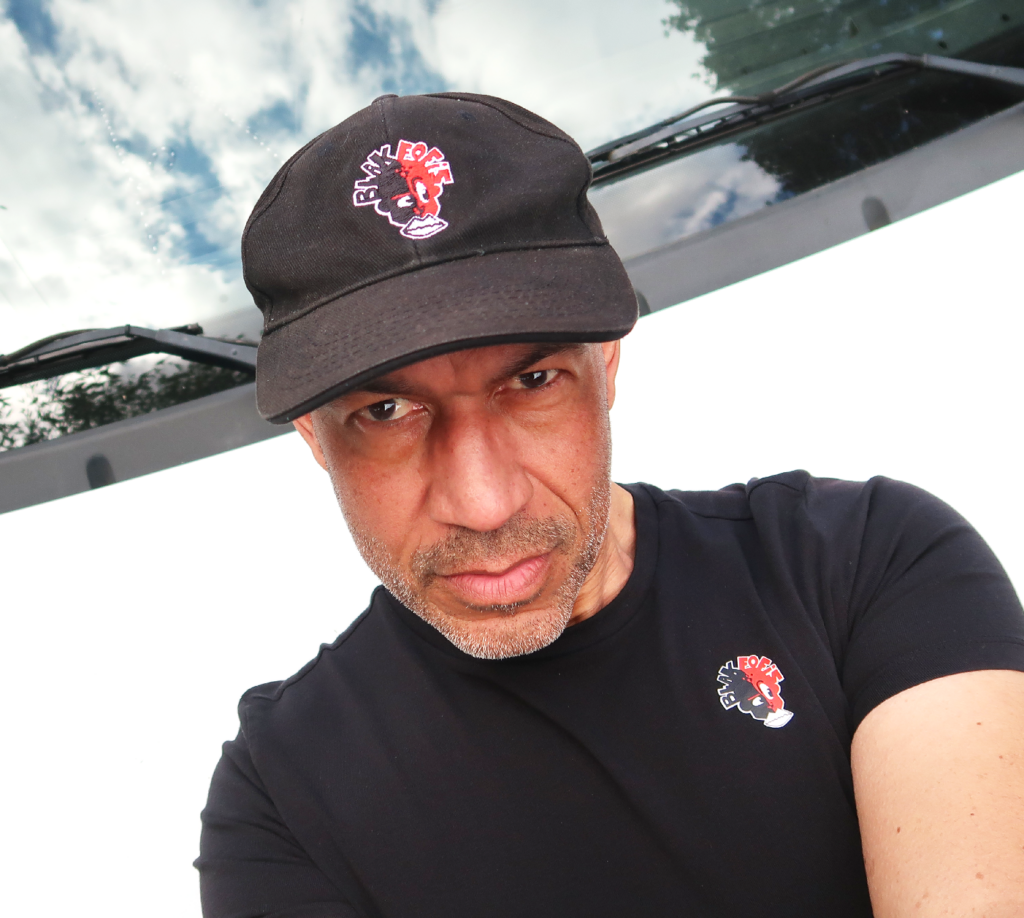
BLAKFOFIZ (Wilfried Vincent Adéwalé), born in 1972, is a visual artist whose blood and spirit unite Benin and France. Founder of the FOFIZ House, He is not simply a creator of forms, but the builder of’ÀṢẸKEMET : a total artistic universe where the work is conceived as an active presence, a sentinel of memory and a vector of protection.
The Lineage and the Gaze
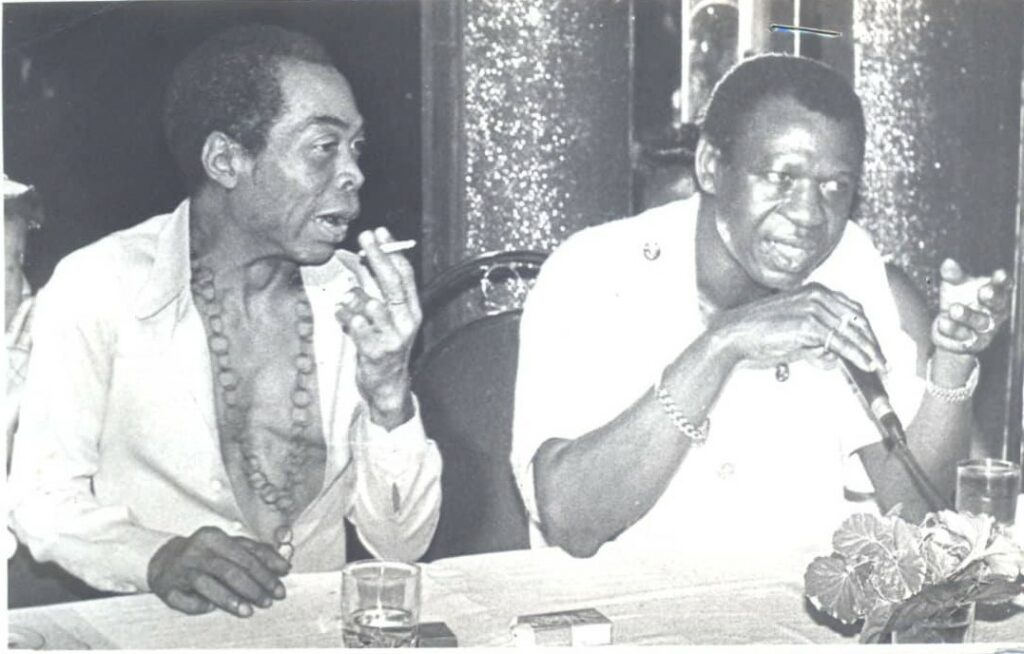
His approach has its roots in childhood. From the age of 16, he transformed clothing into a territory of expression, already asserting that art must be worn and inhabited. This trajectory is part of a powerful legacy: that of his father, Ferry Djimmy, a prominent figure in the Beninese music scene of the 70s. This lineage confirms a certainty: creation is an ancestral force that is reactivated.
The Demands of the Body and the Ethics of Gesture
Before dedicating himself fully to art, BLAKFOFIZ honed his discipline in the arena of high-level sports. An elite baseball player, he was spotted during a training camp in Florida by American recruiters and offered a spot on a semi-professional team. This rise was abruptly halted by a major shoulder injury. Baseball being his absolute passion, this end to his competitive career marked the definitive end of his athletic pursuits.
At the same time, he worked as a professional rider. He chose to leave this profession out of integrity, refusing to participate in an environment where the horse was not respected for its true worth. These experiences instilled in him an ethic of relationship and a rigor of effort that he later transmuted into his creative work.
Art as Reconstruction: A Self-Taught Mastery
It is in this shift that painting asserts itself with a new intensity. Visual artist self-taught, BLAKFOFIZ did not follow any academic path. His mastery was forged through necessity, observation, and extraordinary personal discipline. Where physical performance ended, an inner construction began. Art became his point of reconstruction, a means of regaining balance and sovereign direction.
The Practice: Activating Sovereignty
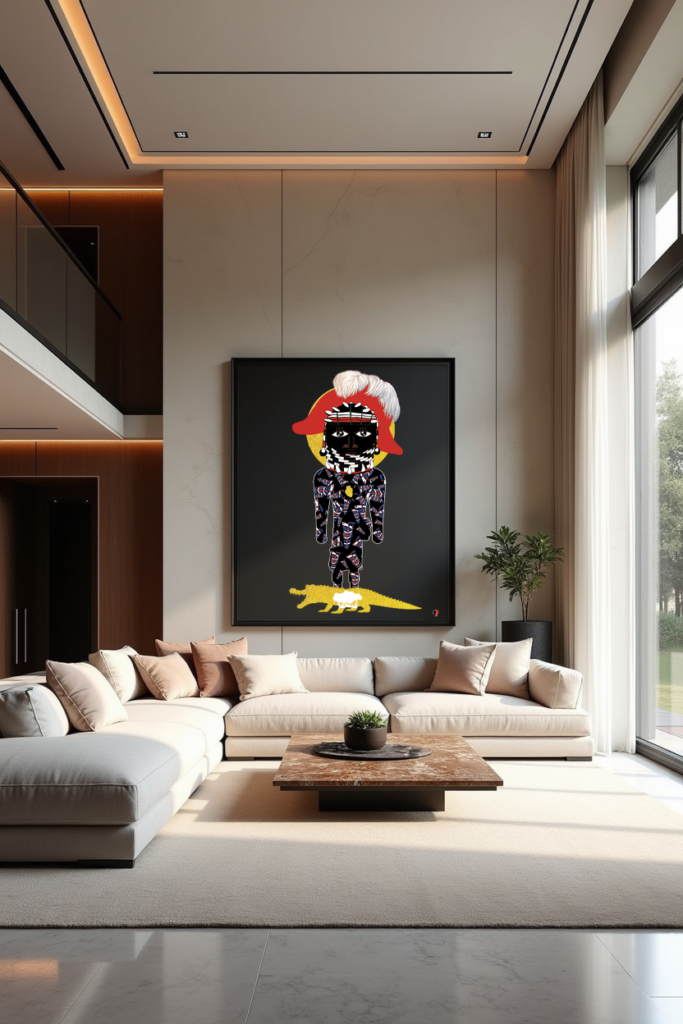
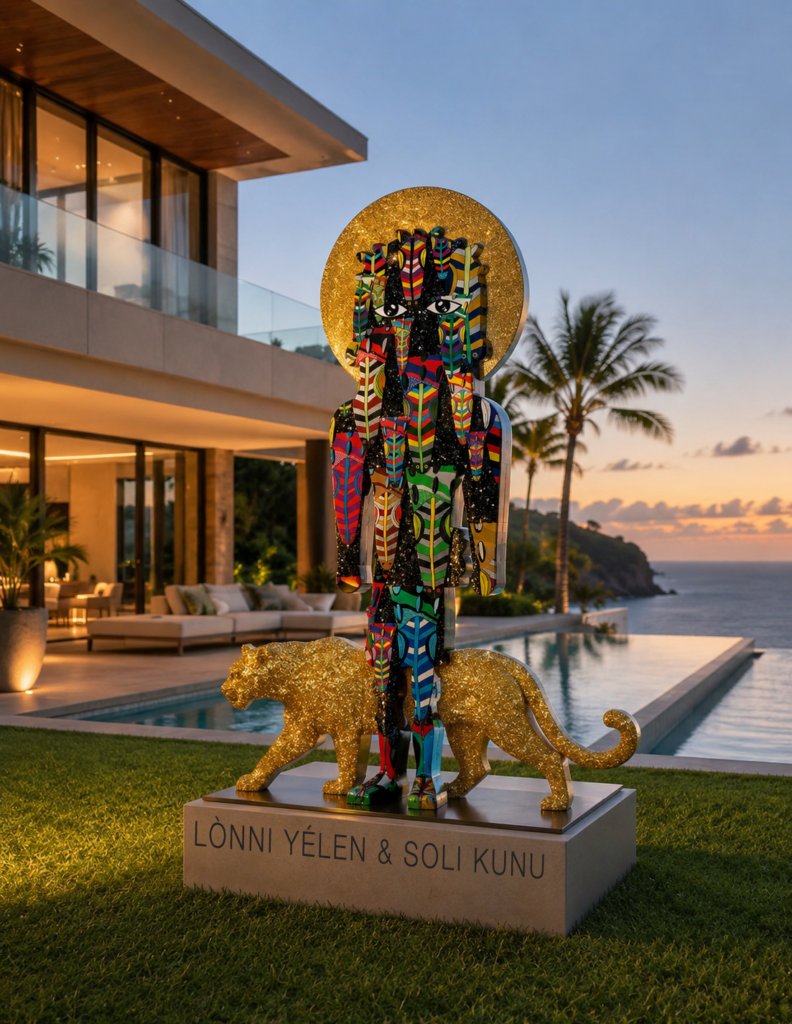
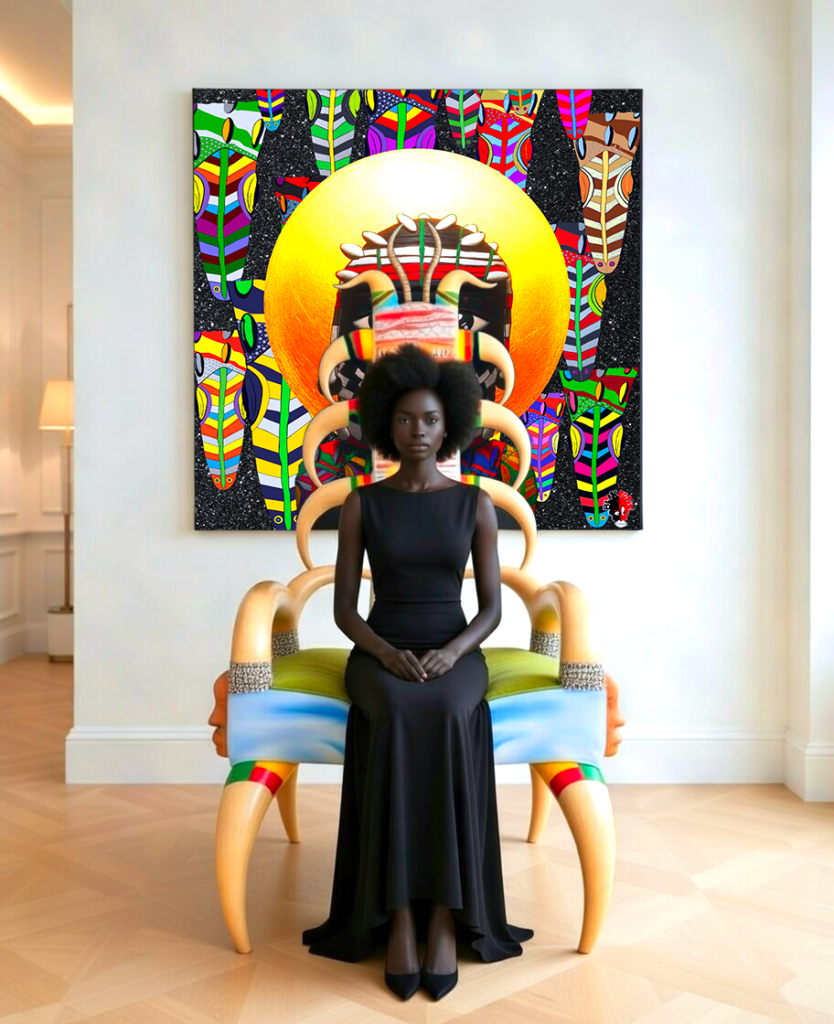
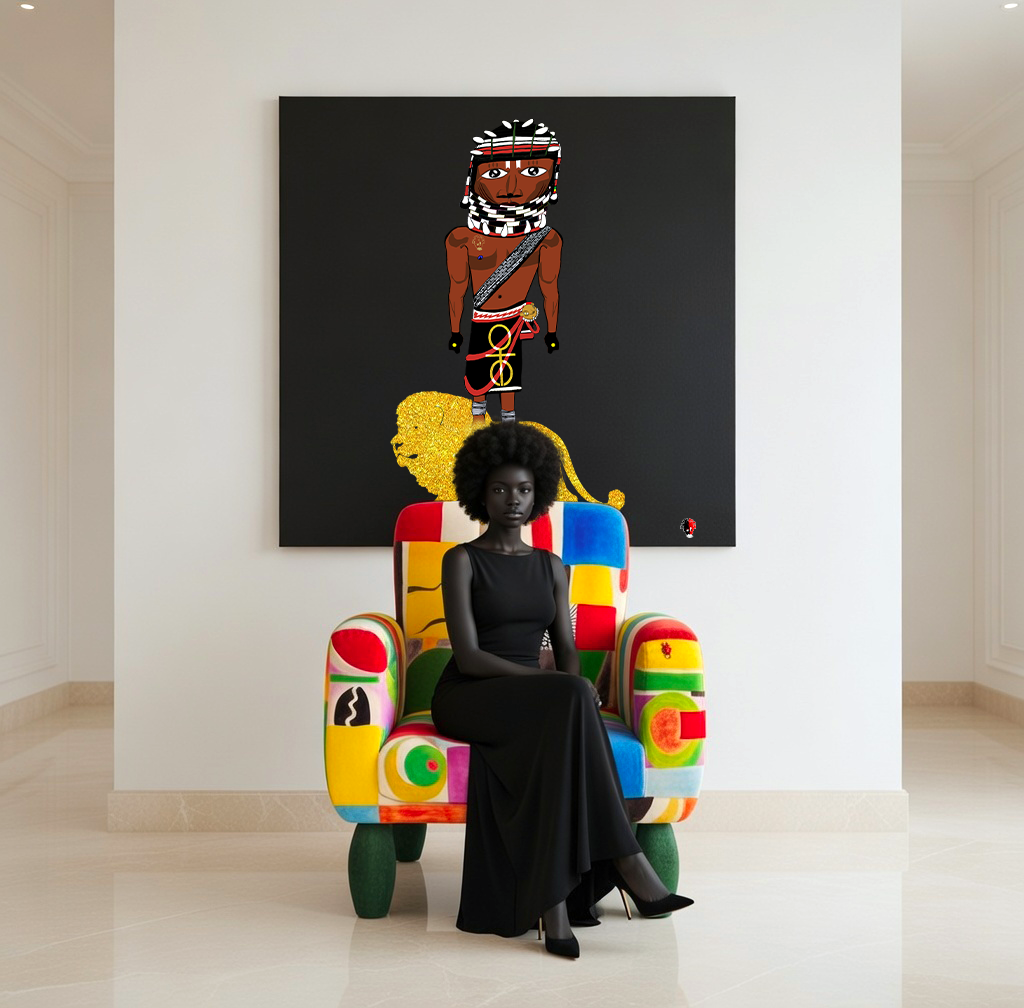
His work lies at the confluence of painting, sculpture, and contemporary ritual objects. He does not seek to represent, he seeks to enable. His works establish presences based on three pillars:
- Active Memory The constant transformation of what remains.
- Sovereignty Inner balance as a bulwark.
- Symbolic Power Art as function and presence.
ÀṢẸKEMET: A Cosmology in Motion
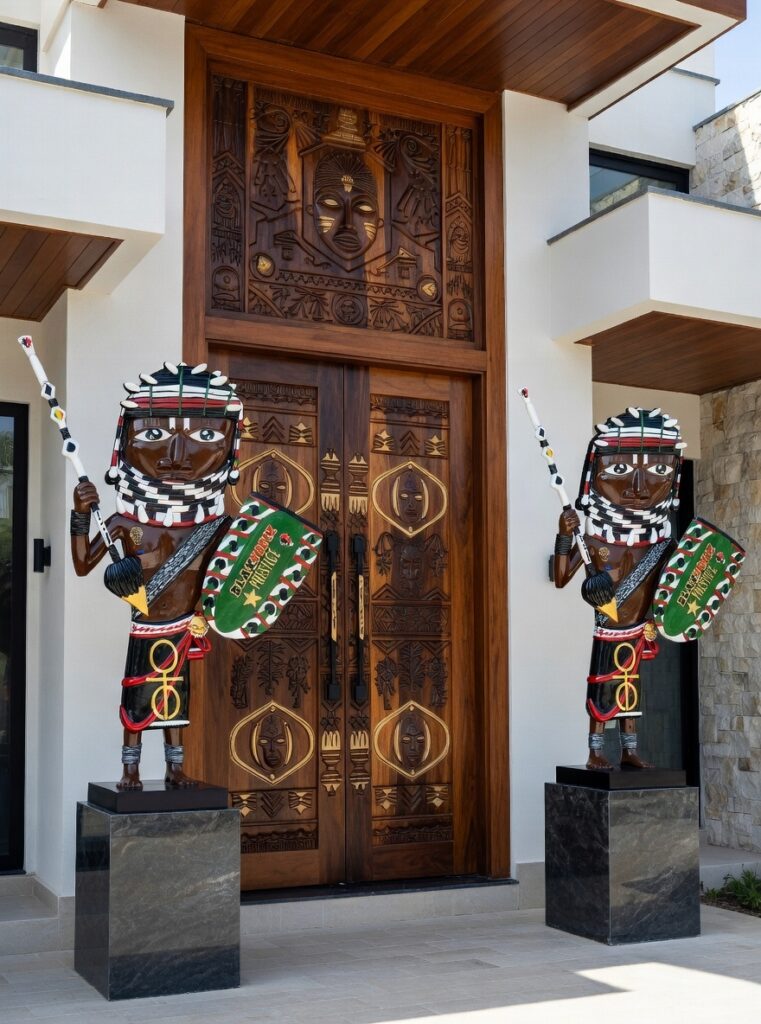
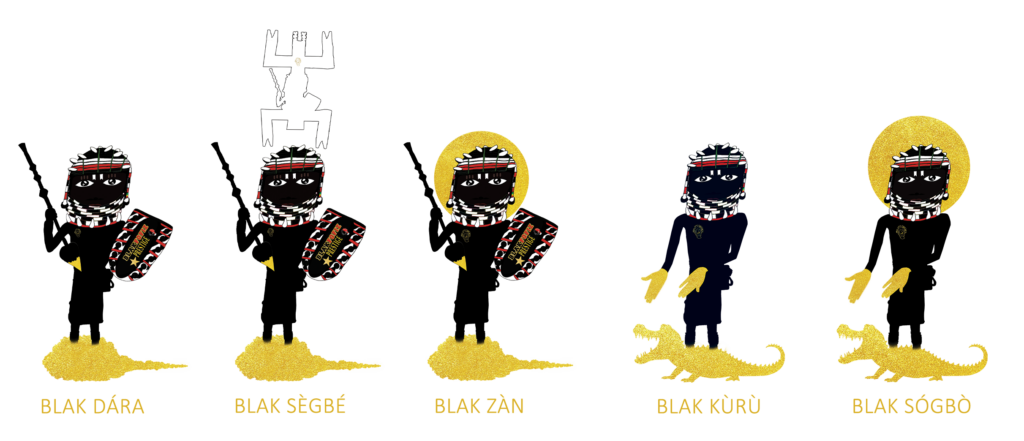
At the heart of his approach, ÀṢẸKEMET is an organic structure inspired by the principle of’Ubuntu. Warriors, guardians, entities, and thrones form a circular system where each element has its own mastery. It is an aesthetic and philosophical response to external narratives about Africa: an internal, conscious gaze, turned towards the construction of a contemporary cultural sovereignty.
Nomadism and Territory
Living a nomadic lifestyle for the past four years in a converted vehicle, BLAKFOFIZ cultivates a radical closeness to nature and total freedom of movement. This nomadic existence fosters a reflection rooted in the land, while maintaining an organic link with the African continent (Burkina Faso, Senegal, Benin, Ivory Coast), where his interventions reflect his commitment to the African renaissance.
FOFIZ House: The Architecture of Reality
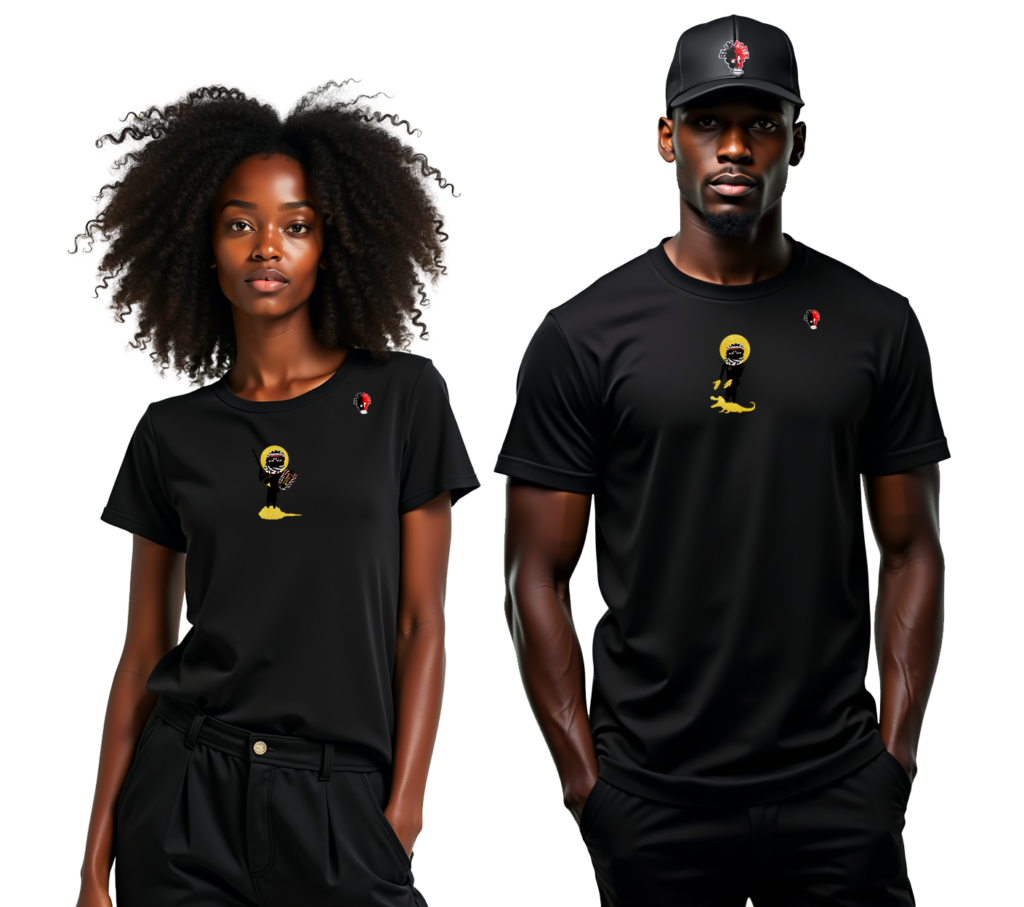
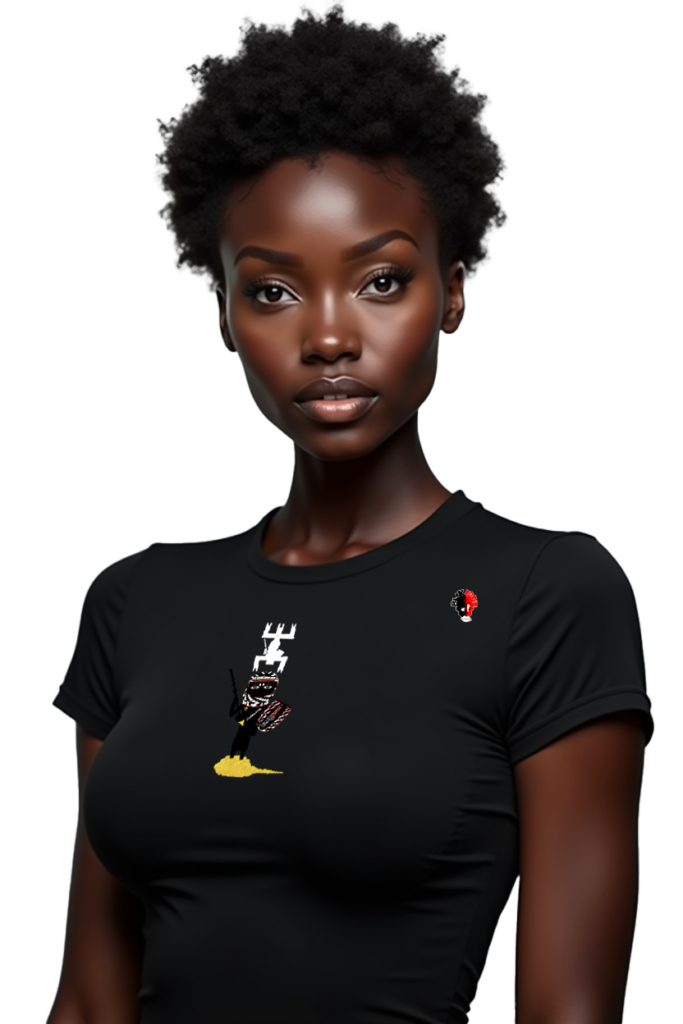
The FOFIZ House is the conceptual framework of this universe, organized into collections (Classic, Prestige, Imperial) and including the laboratory Soulwear. THE Soulwear is not a derivative line, it is a space for experimentation where the symbol becomes portable, transforming the work into a daily experience without losing its vibratory density.
Vision
BLAKFOFIZ does not produce isolated works; it constructs a language. ÀṢẸKEMET is a contemporary cosmology intended to last, a tool for transmission and transformation, affirming that art is the ultimate lever of sovereignty.